
PUMP STATION SERVICES
SERVICING, MAINTENANCE, INSTALLATION

What is a pump station?
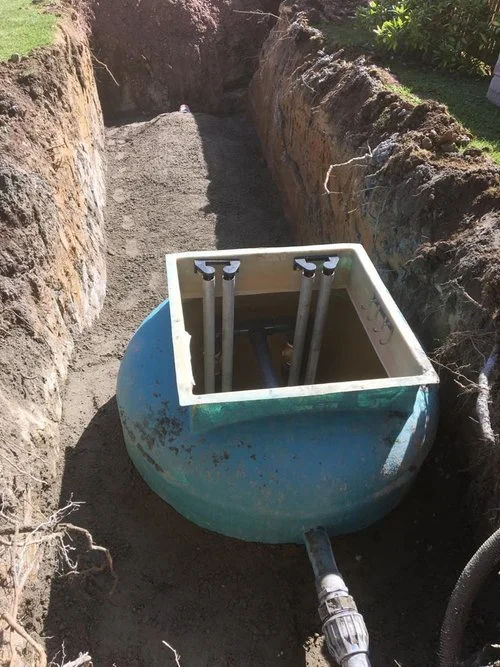
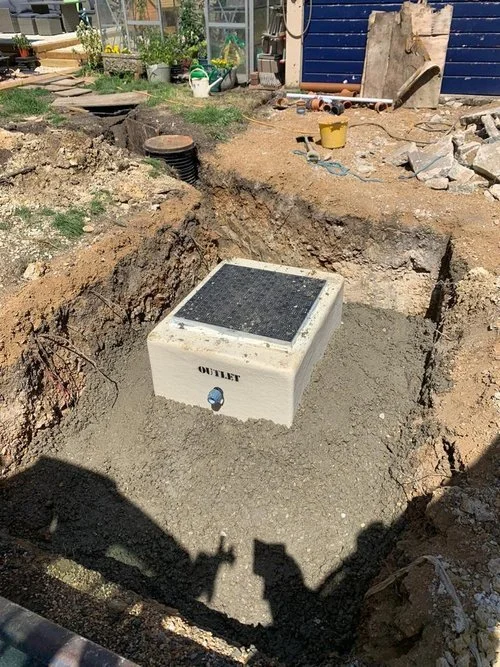
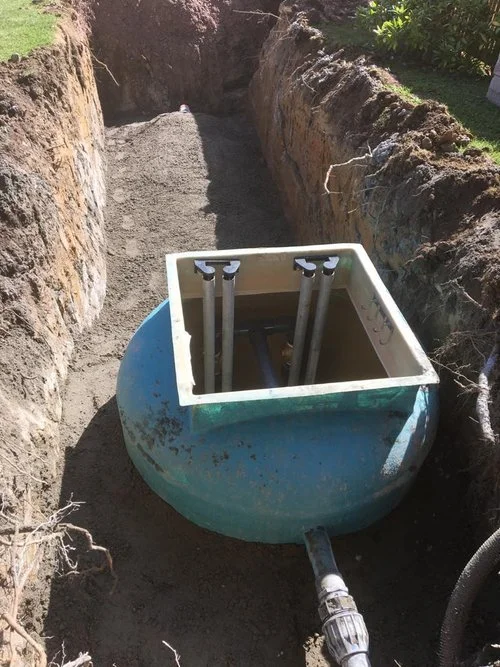
A pump station is a collection tank that is designed to lift or move water when no gravity fall can be used. Smartseptic will install the pump station equipment on site. Once complete we will ensure your system operates correctly and to your required specifications. We also offer refurbishment and repair of existing systems.
Installation, Repair & Refurbishment
Smartseptic provides complete pump station installations. We handle the equipment setup on-site and ensure your system operates correctly and to your exact specifications. If you have an older system, we also offer comprehensive servicing, refurbishment and repair services to ensure it is running efficiently.
We offer a 2 Year Groundworks Warranty for installations for peace of mind.
HOW DOES IT WORK?
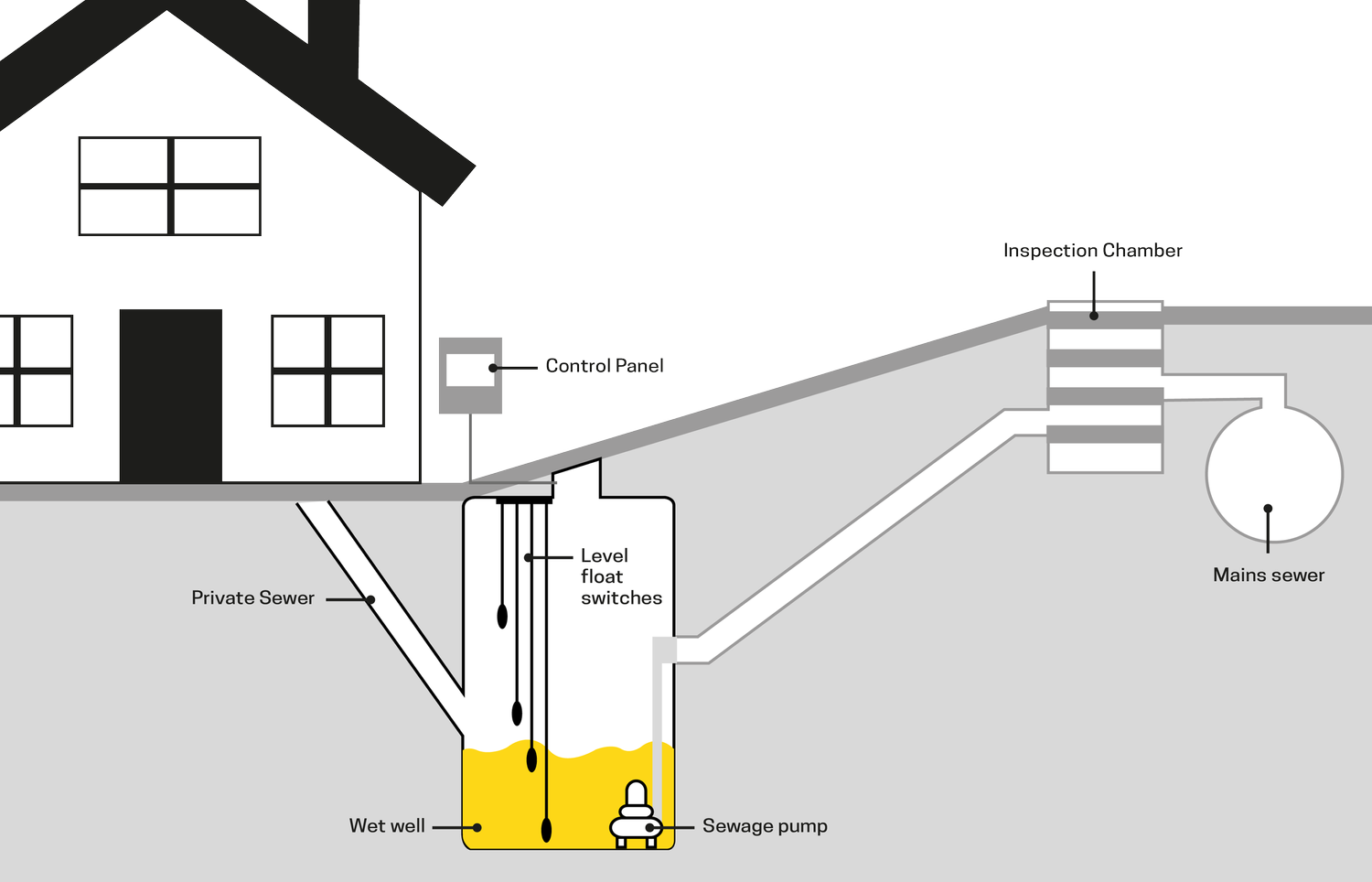
A pump station can transfer sewage, effluent or surface water to a drain or mains sewer and can be installed into an existing system when properties don’t have access to the main sewer.
Contact us now for a FREE no obligation quote.
Types of Pumping Stations We Work On
Foul Water Pumping Stations: Designed to lift raw sewage and wastewater from domestic toilets, commercial facilities, and appliances where gravity flow to the sewer is impossible.
Surface Water Pumping Stations: Designed to pump rainwater and surface runoff away from low-lying land, driveways, or basements to prevent flooding during heavy rainfall.
Effluent Pumping Stations: Used after a septic tank or sewage treatment plant to push clarified water to a elevated drainage field or watercourse.
Single (Duty) vs Twin (Duty/Standby) Configurations
Single Pump Systems (Duty): Ideal for standard domestic annexes or small outbuildings with lower wastewater volumes.
Twin Pump Systems (Duty/Standby): Required for commercial premises and larger residential homes. Twin pumps alternate the workload to extend equipment lifespan and provide a automatic failsafe—if one pump jams or fails, the standby pump takes over immediately to prevent sewage backup.
Emergency Repairs & Mechanical Refurbishment
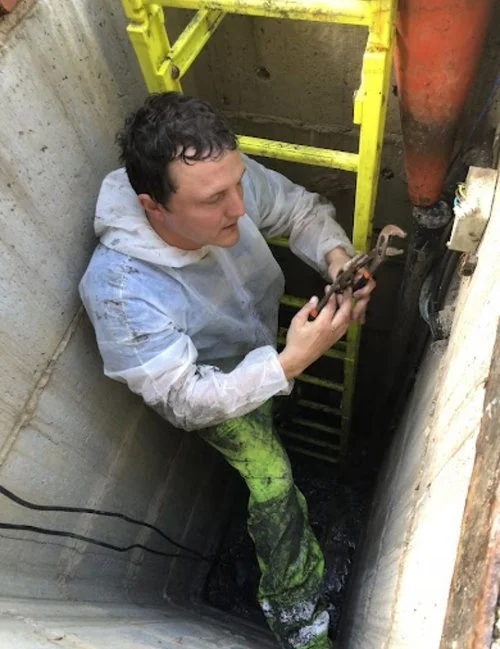
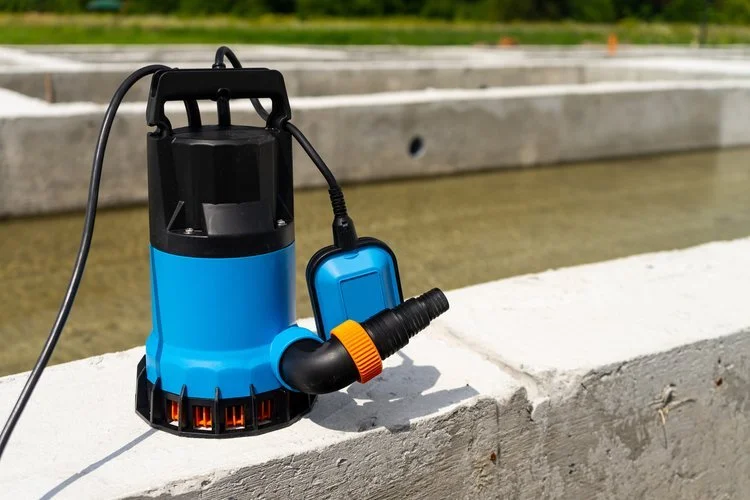
A sounding alarm or rising water level in your wet well requires fast attention. Our engineers carry replacement components on site to address the most common causes of pump station breakdown:
Blocked Impellers: Clearing rag, fat, grease, and sanitary debris jammed in the pump mechanism.
Faulty Float Switches: Replacing worn or stuck float switches that fail to trigger the pump sequence.
Control Panel Electrical Faults: Diagnosing blown fuses, tripped breakers, phase failures, and main panel failures.
Non-Return Valve (Check Valve) Failures: Replacing stuck or leaking valves that allow pumped water to flow back into the wet well.
System Refurbishment: If your existing concrete or fiberglass chamber is structurally sound, you do not need a full excavation. We can replace worn pumps, guide rails, discharge pipework, and control panels to upgrade your system to modern efficiency at a fraction of the replacement cost.


-
You typically need a pump station if your property’s drainage system or septic tank sits at a lower elevation than the main sewer line or discharge point. The pump station actively lifts the wastewater so it can flow away correctly.
-
To prevent breakdowns and blockages, pump stations should be serviced regularly. We offer comprehensive maintenance and repair services to ensure the mechanical parts and alarms are functioning perfectly.
-
A failed pump station can lead to wastewater backing up into your property. Most modern systems are fitted with an alarm that alerts you to a failure. If your alarm sounds, contact us immediately for fast, expert repair services.
-
With annual servicing, a quality commercial or domestic submersible pump typically lasts between 7 and 15 years. Lifespan depends heavily on wastewater quality and keeping non-flushable items out of the system.
-
Yes. While the pump handles the liquid waste, heavy solids, fats, and oils gradually settle at the bottom of the wet well. Having the chamber desludged and pressure-washed during routine annual maintenance keeps the pump intakes clear and running smoothly.
-
Stop using water, flushing toilets, or running washing machines immediately to prevent the wet well from overflowing. Contact our team straight away for emergency pump station assistance.
Pump Station Installation, Repair & Maintenance For Hampshire, Dorset, West Sussex, Devon, Surrey, Berkshire, Somerset & Wiltshire
With a combined experience of over 60 years in the industry already under our belts, we understand the importance of a well-maintained and efficient pumping station. We will ascertain your specific requirements, recommend a solution and deliver an exacting service from your initial contact to the final testing procedure. Our team covers the whole of Southern England.
UK Building Regulations & Standards Compliance
Every installation and repair carried out by Smartseptic complies strictly with UK Building Regulations Document H (Drainage and Waste Disposal) and Environment Agency guidelines.
We ensure:
24-Hour Storage Capacity: Sizing wet wells correctly so your system can hold 24 hours of inflow during a power outage or main line failure.
High-Level Warning Systems: Installing early-warning audio/visual alarm panels to alert you before backup reaches your property.
Correct Pipe Sizing & Flow Velocity: Engineering discharge pipework to maintain self-cleansing velocities and prevent sediment settling.
